
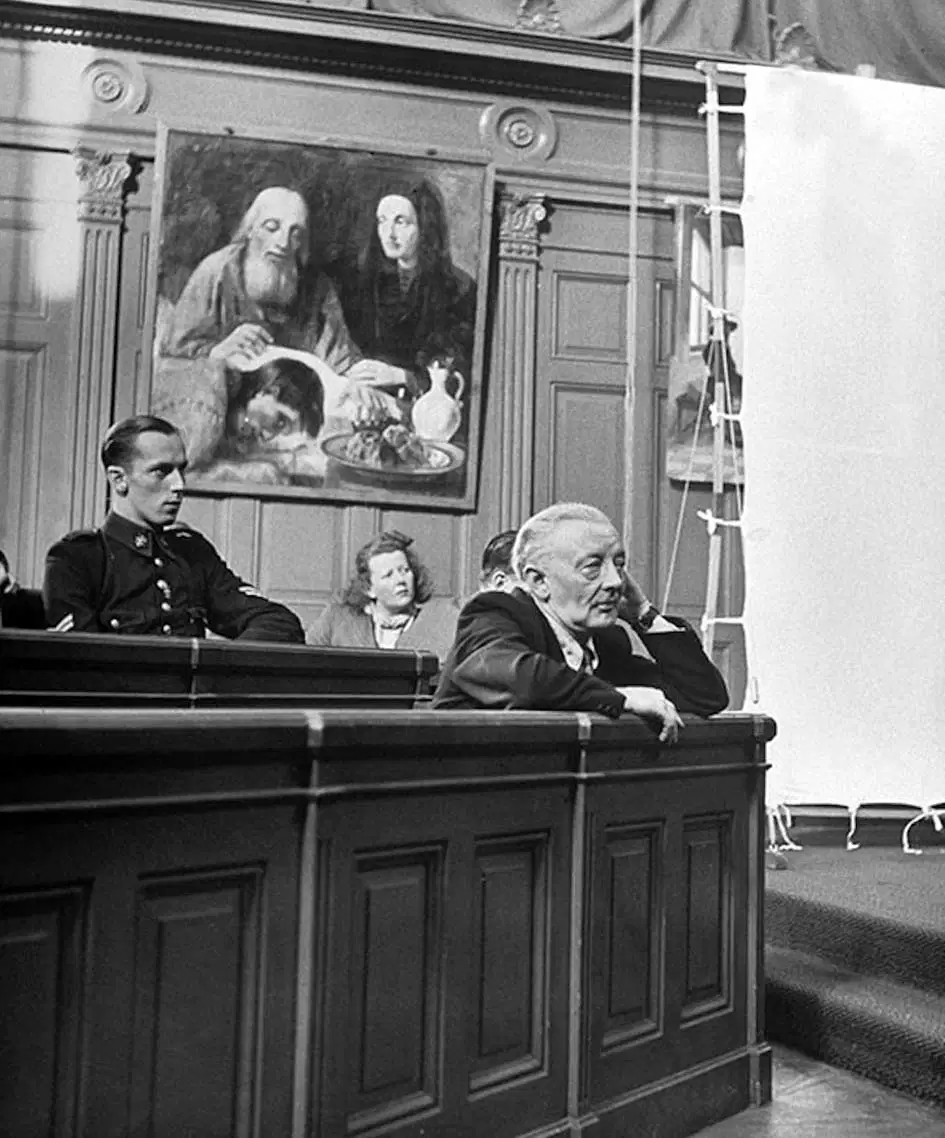
What motivates an art forger?
Money, pride, and revenge are the top three reasons why an artist would forge another artist’s work. Henricus Anthonius Van Meegeren painted fakes for revenge.
Angry at being snubbed by the Dutch art establishment, Van Meegeren (1889-1947) began forging copies of a famous Dutch artist to prove he was equally as talented. Using carefully researched canvases and precise ingredients for his brushes, including badger hair, Van Meegeren became a master forger of this artist’s work. Once the copies were finished, Van Meegeren used another well-known art forgery technique to recreate craquelure (cracks) in the painting. He baked the reproductions in high heat.
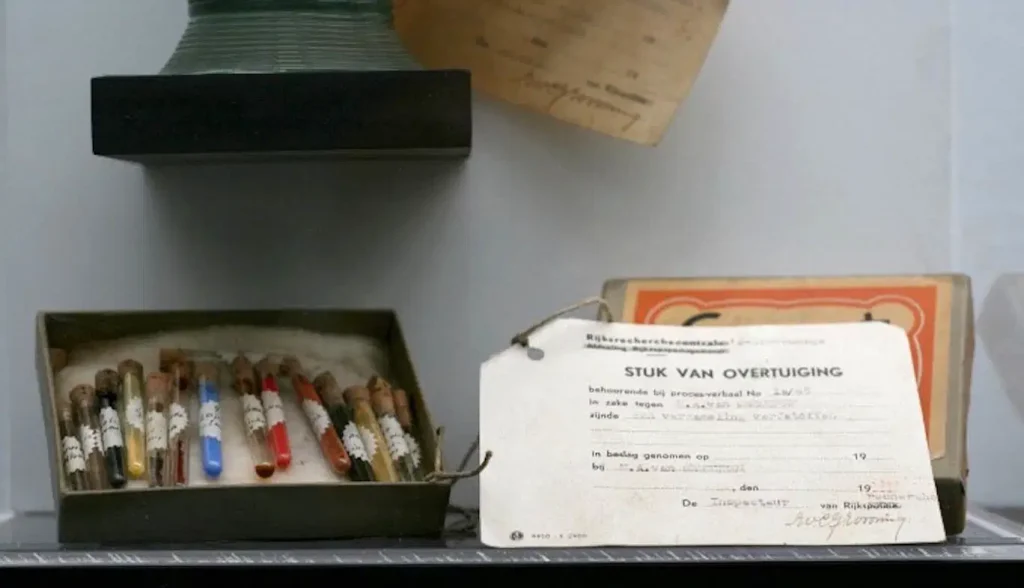
Van Meegeren was so successful as a forger, he eventually fooled Nazi Hermann Goering into purchasing one of his fake paintings, which the Nazi believed to be authentic. The sale turned out to be Van Meegeren’s downfall however, because he was arrested in 1945 for collaborating with the Nazis—a crime punishable by execution. In order to avoid death, Van Meegeren confessed to having forged the reputed painting. In his trial he framed himself as a Dutch hero and said, “Of course I sold it to Goering, I knew what better person to con than this great Nazi bag of wind. How could a person demonstrate his patriotism, his love of Holland more than I did by conning the great enemy of the Dutch people?”
The jury believed him and thus he was jailed for the lesser crime of art forgery. Unfortunately he died one month into his one year jail sentence.
Do you know which famous Dutch artist Van Meegeren forged?

If you guessed Johannes Vermeer (1632-1675) you win!

0 Comments